
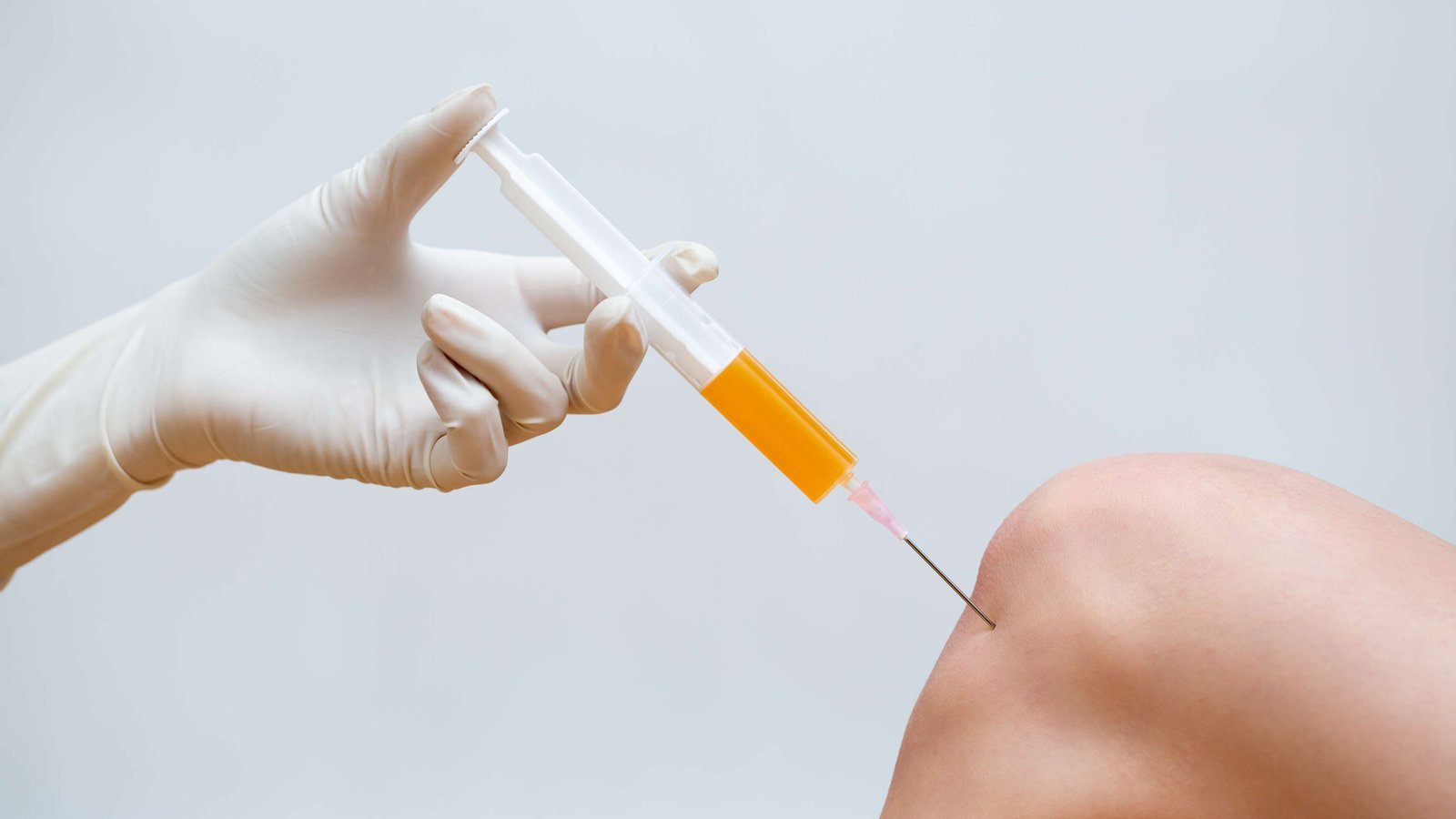
PRP Therapy: Clinical Perspectives on Autologous Tissue Regeneration The clinical application of Platelet-Rich Plasma, identified as PRP Therapy, represents a cornerstone in contemporary regenerative medicine. This autologous procedure utilizes the patient’s own blood compo
PRP Therapy: Clinical Perspectives on Autologous Tissue Regeneration
The clinical application of Platelet-Rich Plasma, identified as PRP Therapy, represents a cornerstone in contemporary regenerative medicine. This autologous procedure utilizes the patient’s own blood components to stimulate the body’s natural repair mechanisms, specifically targeting areas of tissue degradation, volumetric deficiency, or follicular thinning. The primary objective is the extraction and concentration of platelets, which house alpha-granules rich in essential signaling proteins. By re-introducing these concentrated growth factors into the dermal or sub-dermal planes, clinicians can trigger a cascade of cellular events that promote angiogenesis (the formation of new blood vessels), fibroblast proliferation, and extracellular matrix (ECM) stabilization.
Cellular Signal Transduction and Growth Factor Dynamics
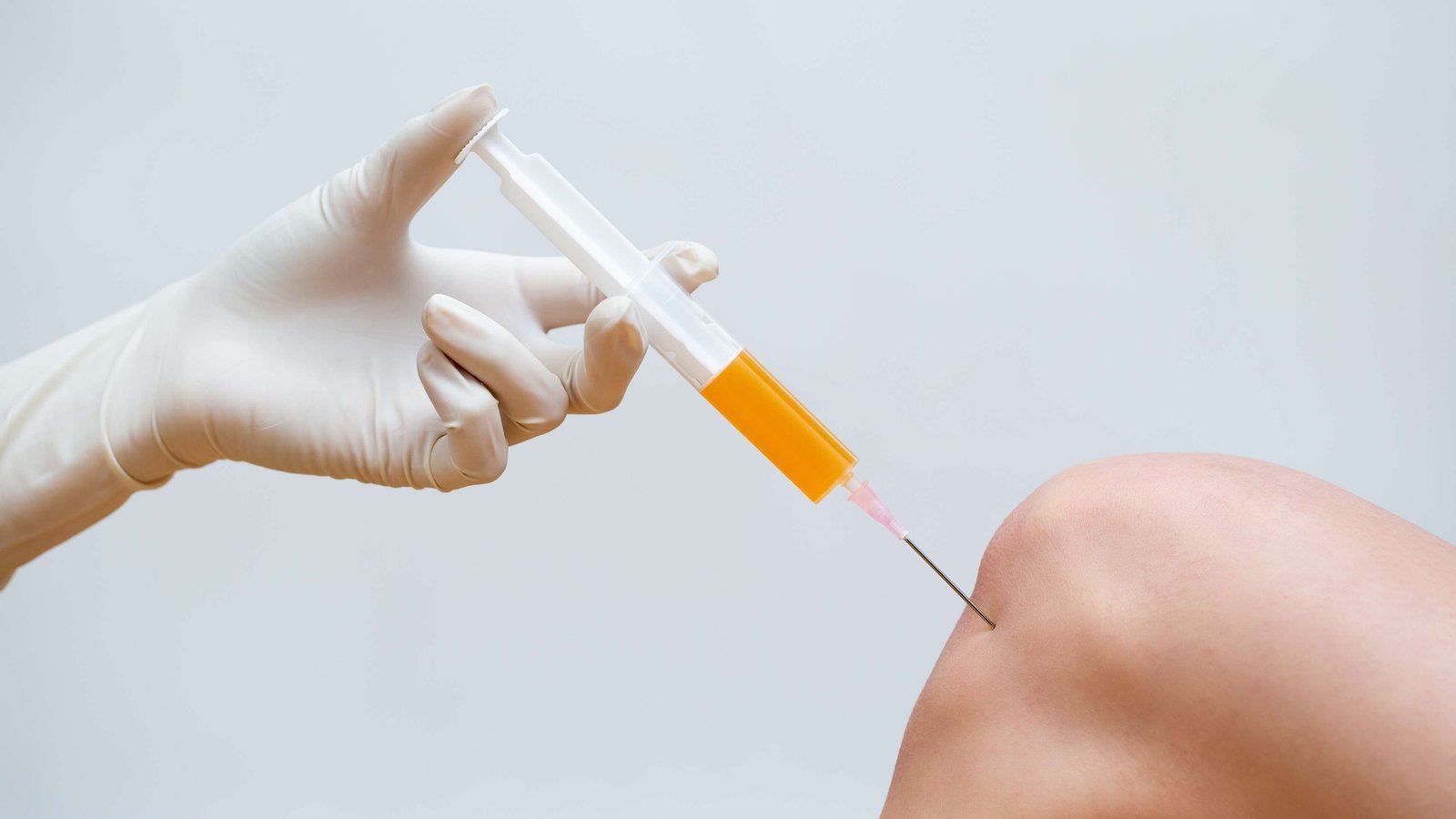
The efficacy of PRP is predicated on the deliberate activation of specific growth factors, including Transforming Growth Factor-beta (TGF-β), Vascular Endothelial Growth Factor (VEGF), and Platelet-Derived Growth Factor (PDGF). Upon injection, these proteins bind to the transmembrane receptors of target cells, initiating a signaling pathway that accelerates the histological transition from the inflammatory phase to the proliferative and remodeling phases of healing. This cellular signal transduction is essential for synthesizing new Type I and Type III collagen, which restores the structural elasticity and turgor of the skin, resulting in a clinically evident rejuvenation of the cutaneous envelope.
Trichological Application: Follicular Stabilization and Growth
In the management of non-cicatricial alopecia, PRP Therapy serves as a sophisticated bio-stimulant for the hair follicle. By delivering growth factors directly to the follicular bulb and the dermal papilla cells, PRP prolongs the Anagen (growth) phase of the hair cycle and reverses the miniaturization process associated with androgenetic patterns. This intervention enhances the vascular supply to the follicular unit, ensuring that the metabolic requirements for hair shaft production are met. The result is an increase in hair density, caliber, and structural resilience, offering a bespoke solution for patients seeking non-surgical hair restoration.
Dermal Rejuvenation and the “Vampire Facial” Paradigm
When applied to facial aesthetics—often integrated with microneedling in the “Vampire Facial” protocol—PRP acts as a powerful catalyst for dermal remodeling. The concentrated platelets release cytokines that address photo-aging, periorbital rhytids (fine lines), and epidermal texture irregularities. Unlike synthetic fillers, PRP utilizes the body’s biological potential to “re-densify” the skin from within. This process optimizes the integrity of the dermal-epidermal junction, enhancing the skin’s reflective properties and overall luminosity through the systematic management of the autologous regenerative cycle.
Integration with Surgical Procedures and Wound Healing
In the context of aesthetic and reconstructive surgery, PRP is frequently utilized to augment the healing of surgical donor sites or to enhance the survival rate of fat grafts (BBL or Composite Augmentation). By mixing PRP with harvested adipose tissue, surgeons provide the graft with an immediate source of growth factors that facilitate early neovascularization. This synergy reduces the risk of graft necrosis and ensures a more predictable volumetric outcome. Furthermore, the fibrin network formed within the PRP acts as a biological scaffold, stabilizing the treated area and accelerating the maturation of surgical scars.
Clinical Safety and Histological Compatibility
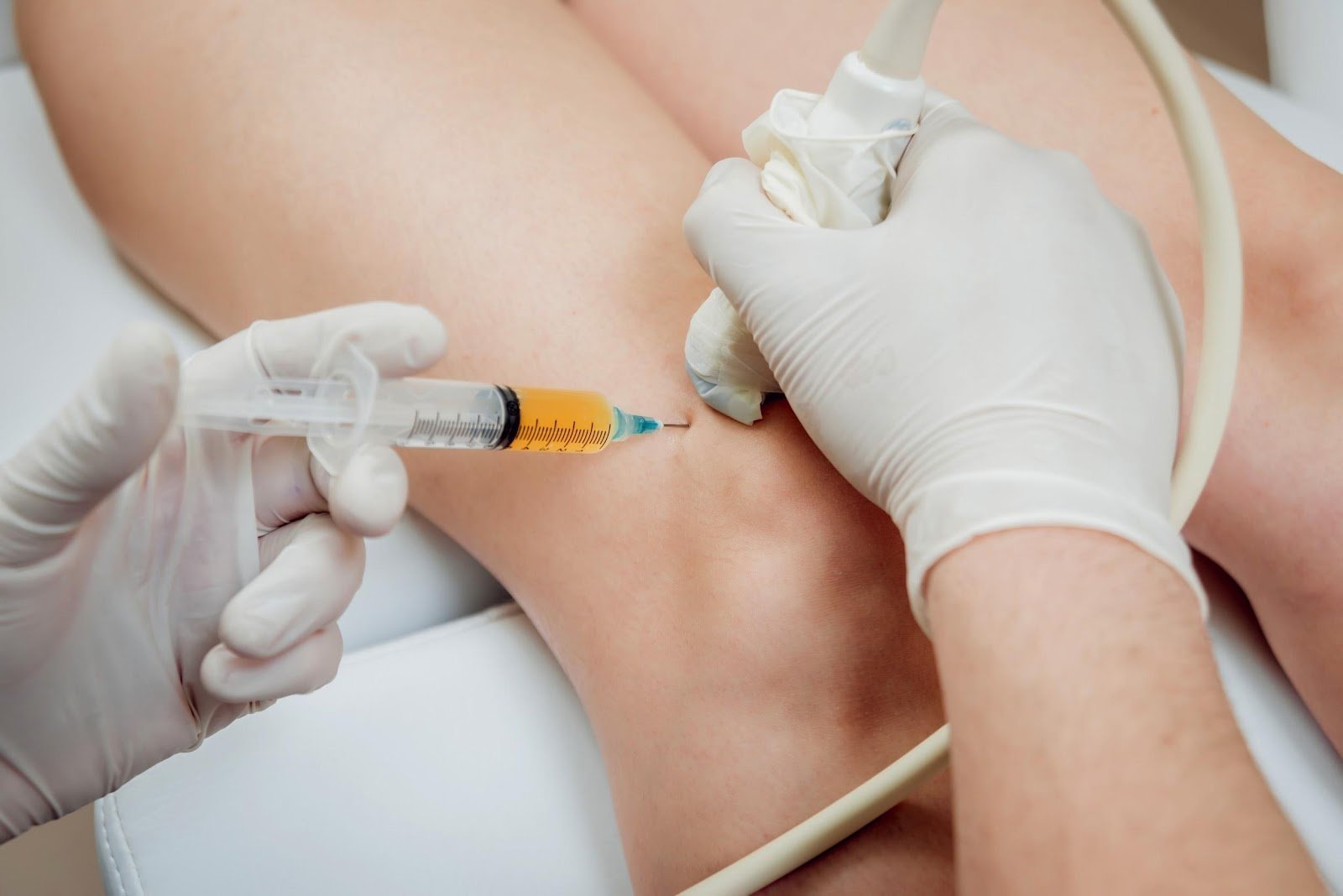
As an autologous therapy, PRP possesses an impeccable safety profile, inherently eliminating the risk of immunogenic reactions or cross-contamination. The technical execution requires precise centrifugation protocols to ensure the separation of the “buffy coat” (the layer rich in platelets and leukocytes) from the erythrocyte-rich fraction. Maintaining a high concentration of platelets—typically 3 to 5 times the baseline peripheral levels—is critical for achieving a therapeutic response. Continuous clinical monitoring ensures that the histological remodeling results in a refined and stable aesthetic appearance, adhering to the principles of biological permanence and anatomical health.