
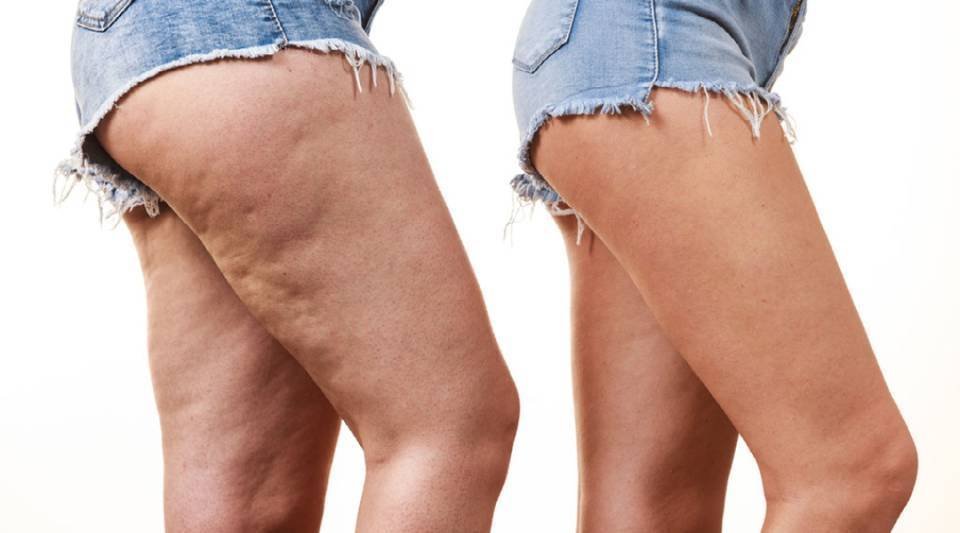
Lipoedema, clinically identified as a chronic, progressive disorder of adipose tissue distribution, represents a significant challenge in reconstructive and aesthetic medicine. Primarily affecting the lower extremities and occasionally the upper arms, it is characterized by the s
Lipoedema, clinically identified as a chronic, progressive disorder of adipose tissue distribution, represents a significant challenge in reconstructive and aesthetic medicine. Primarily affecting the lower extremities and occasionally the upper arms, it is characterized by the symmetrical, disproportionate accumulation of subcutaneous fat that is largely resistant to caloric restriction or physical exercise. The primary objective of clinical intervention is the systematic reduction of pathological tissue volume to alleviate secondary symptoms such as orthostatic edema, vascular fragility (easy bruising), and chronic tenderness. By meticulously addressing the structural disharmony, clinicians aim to restore mobility and prevent the progression toward lipo-lymphedema.
Lipoedema management integrates advanced lymph-sparing surgical methodologies with a profound understanding of adipose tissue pathophysiology and microcirculatory dynamics. By strategically utilizing specialized Water-Jet or Power-Assisted Liposuction to resect pathological fat deposits while preserving the integrity of the lymphatic vessels, these interventions alleviate chronic pain and restore anatomical symmetry. Each clinical protocol is meticulously tailored to address the disproportionate accumulation of fibrotic adipose tissue, achieving a resilient, functional, and anatomically harmonious silhouette.
Pathophysiology and the Microcirculatory Deficit
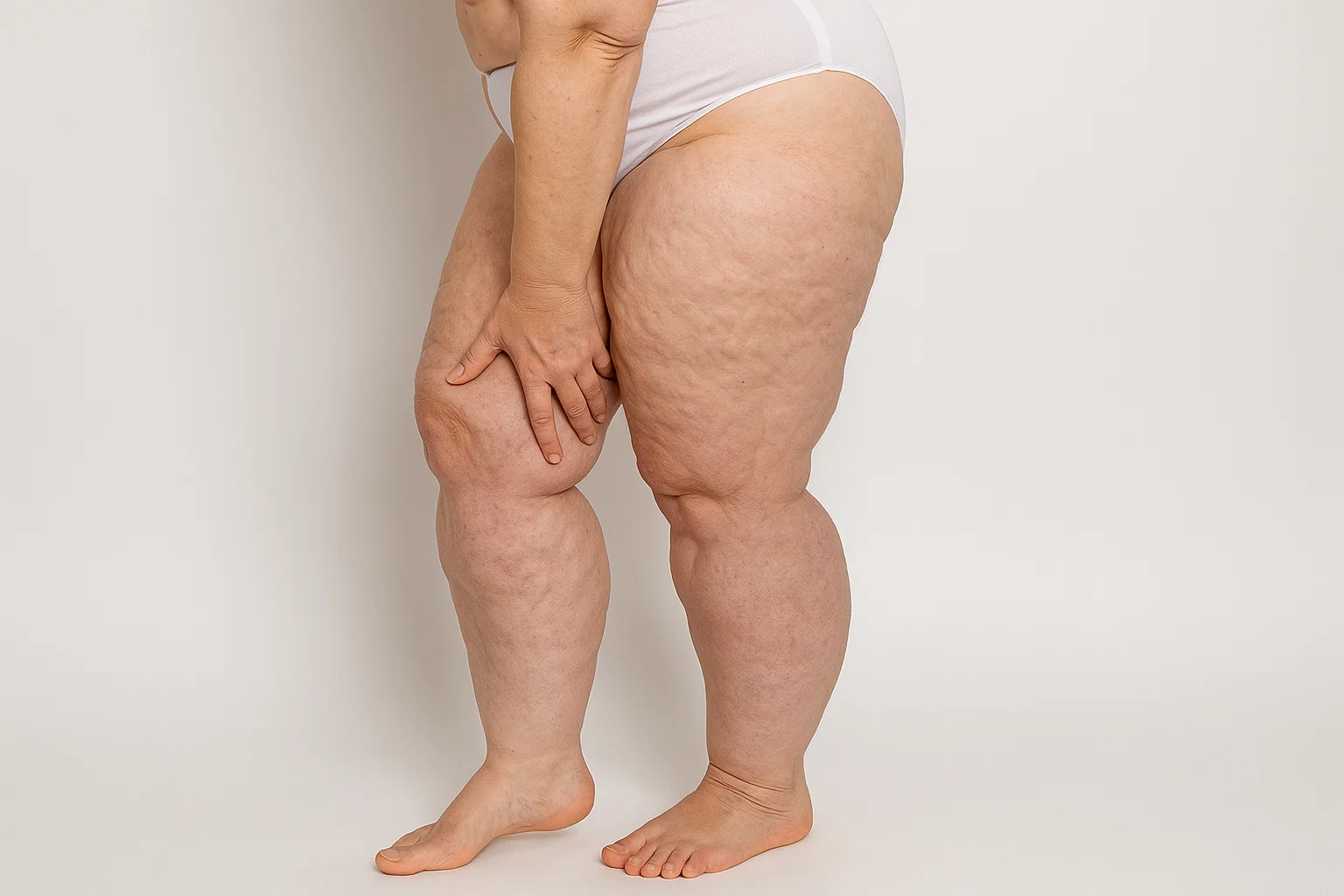
The technical understanding of lipoedema is predicated on the recognition of its complex pathophysiology, which involves micro-angiopathy and altered interstitial fluid dynamics. In lipoedematous tissue, the terminal lymphatics and blood capillaries exhibit increased permeability, leading to a protein-rich interstitial environment that triggers chronic inflammation and eventual fibrosis of the fat cells. This “fibrotic remodeling” results in the characteristic “nodular” texture felt beneath the skin. Curing the symptoms requires a multidisciplinary approach that targets both the mechanical weight of the adipose mass and the underlying inflammatory cascade.
Lymph-Sparing Liposuction: The Gold Standard
The primary surgical strategy for lipoedema is Lymph-Sparing Liposuction, typically utilizing Water-Jet Assisted Liposuction (WAL) or specialized Power-Assisted (PAL) techniques. Unlike conventional liposuction, these modalities utilize a tumescent solution to gently separate the pathological fat from the delicate lymphatic bundles and connective tissue septa. By preserving the lymphatic drainage pathways, surgeons can maximize the volume of fat removed while minimizing the risk of postoperative lymphatic insufficiency. This strategic resection is essential for achieving a significant reduction in limb circumference and a qualitative improvement in tissue health.
Anatomical Distribution and “Cuff” Deformity Management
Lipoedema is distinguished by its specific anatomical landmarks, most notably the “cuffing” effect at the ankles or wrists, where the pathological fat accumulation stops abruptly. Surgical planning focuses on restoring a natural transition at these points and refining the medial aspects of the knees and thighs, which are often the primary sites of mechanical discomfort and gait interference. The objective is to achieve a refined crural silhouette that aligns with the patient’s torso, effectively removing the “two-body” appearance associated with advanced stages of the disorder.
Fibrosis Management and Tissue Compliance
In advanced stages (Stage II and III), the adipose tissue becomes increasingly fibrotic and resistant. The management of these areas requires advanced cannulation techniques to break down the dense connective tissue bands. The integration of postoperative Manual Lymphatic Drainage (MLD) and personalized compression therapy is vital to optimize tissue compliance and ensure that the dermal envelope adheres smoothly to the reduced underlying volume. This comprehensive management of the extracellular matrix is the cornerstone of long-term structural stability and symptomatic relief.
Clinical Safety and Long-Term Stability
Clinical safety in lipoedema surgery is governed by a strict adherence to volumetric limits and electrolyte balance management. Given the large volumes of tissue often required for resection, procedures are frequently staged to ensure optimal patient recovery and hemodynamic stability. Continuous clinical monitoring of the patient’s gait, pain levels, and lymphatic function ensures that the histological remodeling achieved—such as reduced interstitial pressure and improved vascular resilience—is sustained over time, providing a bespoke solution for permanent functional and aesthetic excellence.