
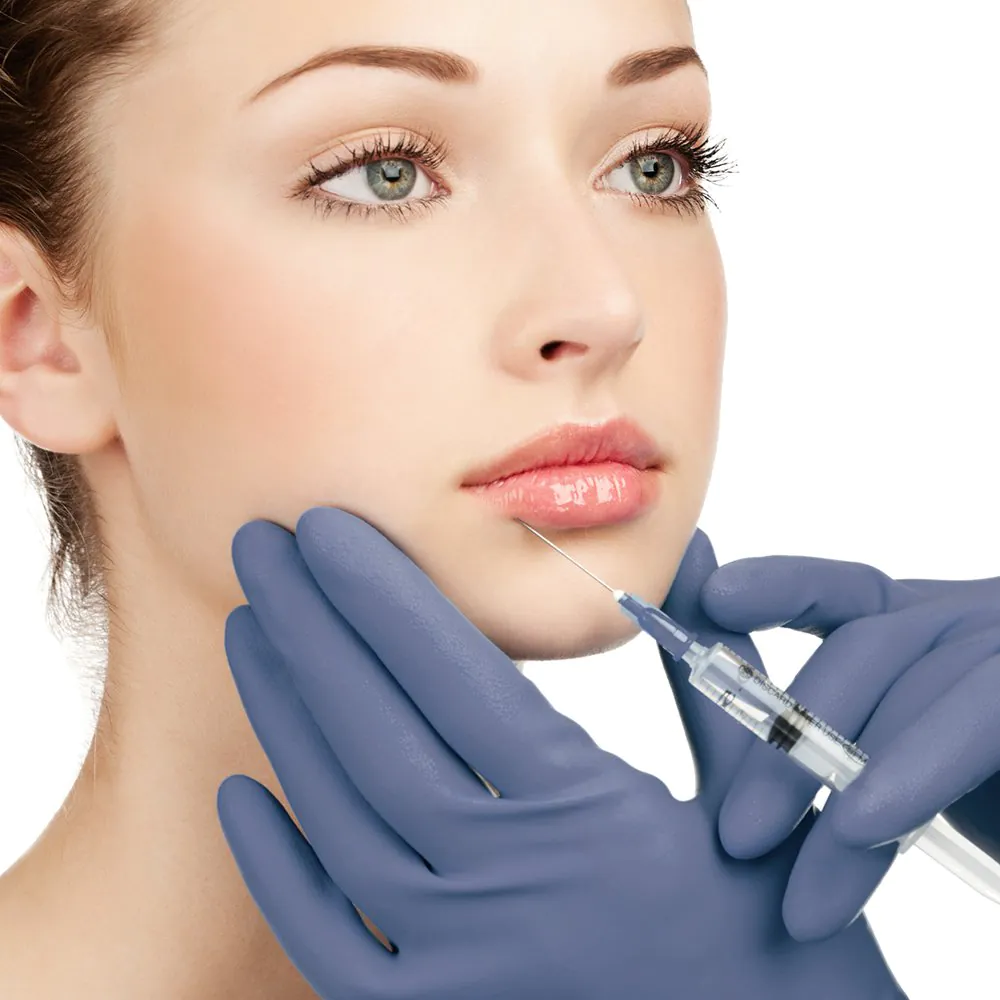
Minimal-invasive rejuvenation with neuromodulators, viscoelastic fillers, energy-based tightening, and regenerative biostimulation.
Non-Surgical Interventions: Clinical Perspectives on Minimal-Invasive Rejuvenation
The clinical management of facial and bodily aesthetics has undergone a paradigm shift toward non-surgical interventions. These procedures represent a synthesis of regenerative medicine and biophysics, designed to address the early to moderate signs of chronological aging, such as rhytids (wrinkles), volumetric loss, and epidermal dyschromia. The primary objective is to achieve a “biological restoration” by stimulating endogenous repair mechanisms or providing immediate structural support through biocompatible materials. By bypassing the risks associated with general anesthesia and extensive downtime, non-surgical treatments offer a bespoke solution for patients seeking subtler, yet scientifically-grounded, aesthetic enhancements.
Non-Surgical Aesthetic Interventions integrate advanced biophysical technologies with a profound understanding of dermal rheology and cellular biostimulation. By strategically utilizing neuromodulators, viscoelastic fillers, and energy-based delivery systems, these interventions achieve structural rejuvenation without the necessity for surgical incision. Each clinical strategy is meticulously tailored to restore volumetric harmony and refine the cutaneous matrix, delivering a resilient, biologically-compatible, and naturally balanced aesthetic transformation with minimal downtime.
1. Neuromodulation and Dynamic Rhytid Management
A cornerstone of non-surgical aesthetics is the use of Botulinum Toxin Type A (Neuromodulators). These proteins strategically inhibit the release of acetylcholine at the neuromuscular junction, leading to a temporary chemical denervation of specific facial muscles. By modulating the activity of muscles such as the frontalis or the corrugator, clinicians can eliminate dynamic expression lines and prevent the formation of static wrinkles. This intervention is executed with micro-precision to ensure that the patient’s natural emotional expressions are preserved while achieving a smoother, more refreshed cutaneous profile.
2. Viscoelastic Fillers and Liquid Biomechanics
The restoration of lost volume is achieved through the precise infiltration of Dermal Fillers, primarily composed of cross-linked Hyaluronic Acid (HA). These hydrogels serve as a structural scaffold, replenishing the deep fat pads and providing supraperiosteal support to the mid-face and mandibular angle. The selection of the filler’s G-Prime (elasticity) is tailored to the anatomical requirements—high G-prime for bone-like support and low G-prime for dynamic regions like the lips. This multi-planar approach optimizes light reflection and restores the three-dimensional harmony of the face, simulating a surgical “lift” effect through non-invasive means.
3. Energy-Based Tissue Tightening (HIFU and Radiofrequency)
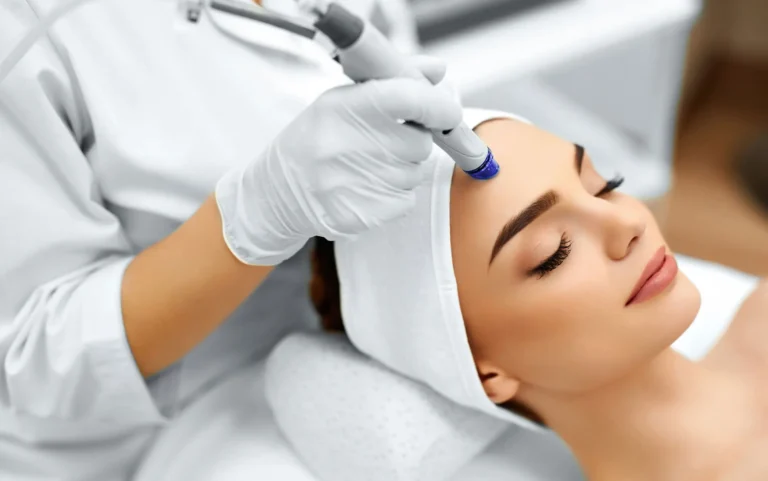
For patients experiencing mild to moderate skin laxity, energy-based devices such as High-Intensity Focused Ultrasound (HIFU) or Radiofrequency (RF) are utilized. These technologies deliver controlled thermal energy to the deep dermis and the SMAS (Superficial Muscular Aponeurotic System), inducing immediate collagen contraction and triggering a long-term neocollagenesis cascade.
By precisely targeting the structural layers of the skin, these modalities achieve significant tissue tightening and “lifting” over several months. This bio-physical stimulation reinforces the dermal matrix, enhancing its structural resilience and overall turgor.
4. Regenerative Biostimulation (PRP, Exosomes, and Mesotherapy)
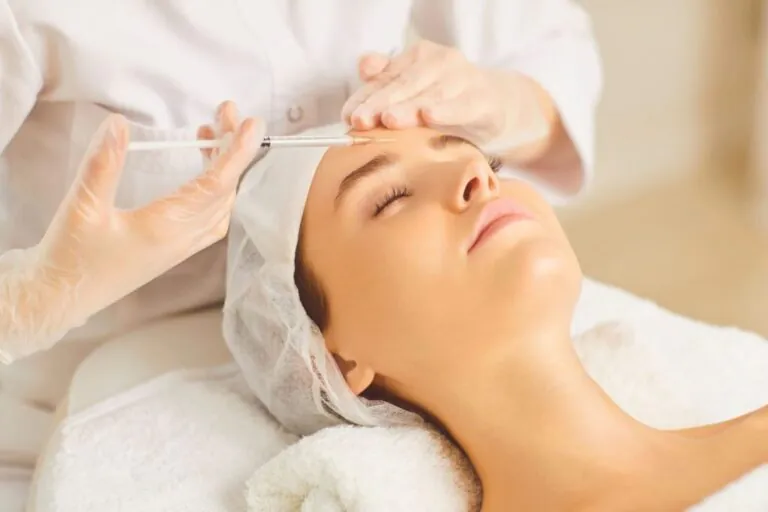
Contemporary non-surgical protocols frequently integrate regenerative therapies to improve the quality of the cutaneous matrix. Platelet-Rich Plasma (PRP), Exosome therapy, and Mesotherapy deliver a high concentration of growth factors, amino acids, and cytokines directly into the mesoderm. These bioactive compounds stimulate fibroblast activity and optimize cellular metabolism, addressing photo-aging and fine lines from a histological perspective. Unlike symptomatic treatments, biostimulation provides a long-term improvement in skin health, fostering a more luminous and biologically-vitalized appearance.
5. Clinical Safety and Histological Integrity
Despite their minimally invasive nature, non-surgical interventions require a profound mastery of facial anatomy and neurovascular architecture. Adhering to strict clinical safety standards—including the use of blunt-tip cannulas and FDA-approved substances—ensures an impeccable safety profile.
Continuous monitoring of tissue response and the use of enzymatic reversal agents (like Hyaluronidase) provide an essential safety net. This commitment to clinical excellence ensures that the structural and histological remodeling of the face results in a stable, refined, and enduring aesthetic outcome.