
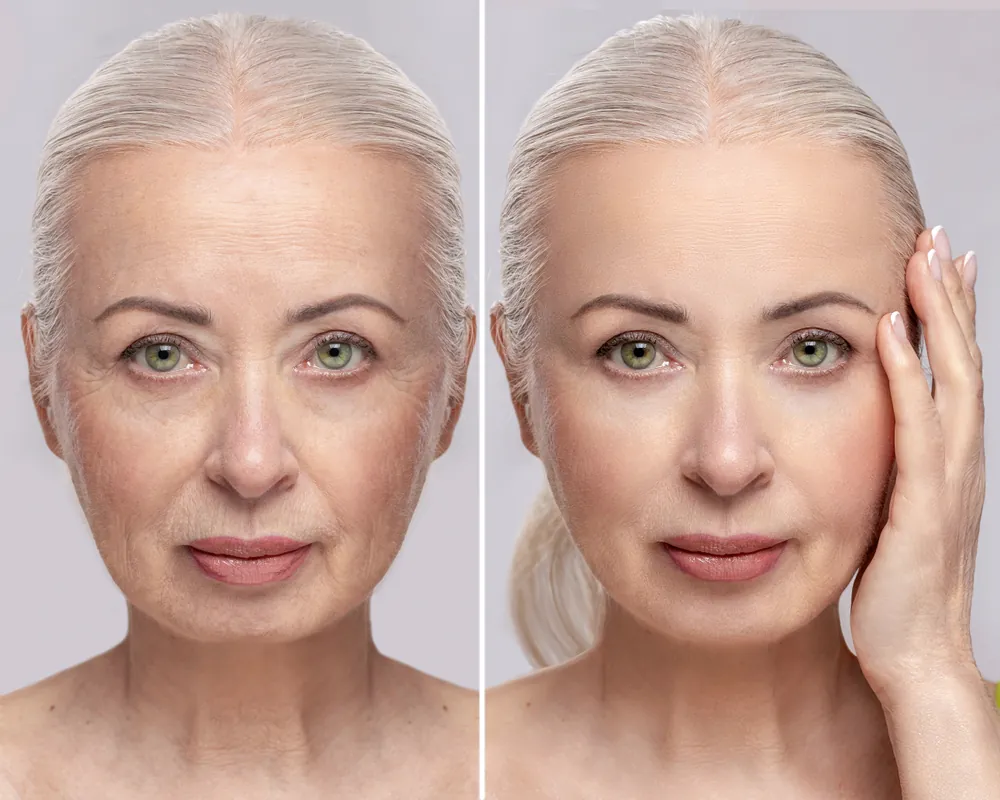
Facelift: Clinical Management of Multi-Vector Structural Rejuvenation The surgical reconstruction of the aging face, clinically identified as Rhytidectomy or Facelift, represents a comprehensive intervention designed to address the complex morphological shifts caused by gravitati
Facelift: Clinical Management of Multi-Vector Structural Rejuvenation
The surgical reconstruction of the aging face, clinically identified as Rhytidectomy or Facelift, represents a comprehensive intervention designed to address the complex morphological shifts caused by gravitational descent and volumetric depletion. This procedure is indicated for patients experiencing significant laxity in the mid-face, jowls, and cervical region. The primary objective is the systematic restoration of the facial architecture by addressing the underlying SMAS (Superficial Muscular Aponeurotic System) rather than merely tensioning the cutaneous envelope. By meticulously managing the structural relationship between the deep fascia and the skin, surgeons can achieve a long-lasting, natural rejuvenation that avoids the “operated” appearance.
Facelift procedures integrate advanced deep-plane structural remodeling with a sophisticated understanding of facial fat compartments and ligamentous suspension. By strategically mobilizing the Superficial Muscular Aponeurotic System (SMAS) and repositioning descended soft tissues to their youthful anatomical coordinates, these interventions restore tridimentional harmony and refine the mandibular silhouette. Each clinical strategy is meticulously tailored to maintain neurovascular integrity and dynamic expression while achieving a resilient, biologically-sound, and harmoniously balanced aesthetic transformation.
The Deep-Plane Approach and Ligamentous Release
Contemporary facelift surgery has evolved from subcutaneous dissection to the Deep-Plane technique. This methodology involves the release of key osteocutaneous ligaments (such as the zygomatic and masseteric ligaments) that tether the facial tissues to the bone. Once these anatomical anchors are released, the entire composite of skin and SMAS can be repositioned as a single unit without tension. This “tension-free” closure is critical for preserving the natural shape of the mouth and eyes while ensuring superior longevity of the surgical result.
SMAS Plication and Vector Optimization
The technical success of a facelift is predicated on the direction or “vector” of the tissue elevation. Unlike older techniques that pulled the skin horizontally, modern protocols utilize vertical or oblique vectors to counteract the effects of gravity. Through SMAS Plication or SMASectomy, the internal framework of the face is tightened and secured with permanent sutures. This provides a stable foundation for the overlying skin, which is then redraped conservatively, ensuring that the final profile remains fluid and anatomically correct.
Cervicoplasty and Submental Contouring
A comprehensive facelift often incorporates Cervicoplasty (Neck Lift) to address the “turkey neck” deformity or platysmal banding. By performing a midline Platysmaplasty, surgeons can suture the edges of the neck muscles together, creating a firm “internal corset” that defines the cervico-mental angle. This structural reinforcement, combined with targeted liposculpting of the submental fat, restores the clean, sharp jawline that is a hallmark of youthful vitality.
Volumetric Enhancement and Autologous Synergy
To address the volumetric aspect of aging, facelift procedures are frequently synthesized with Autologous Fat Grafting. By harvesting fat from donor sites and processing it into micro-fat, surgeons can “bio-volumize” the malar region, temporal hollows, and nasolabial folds.
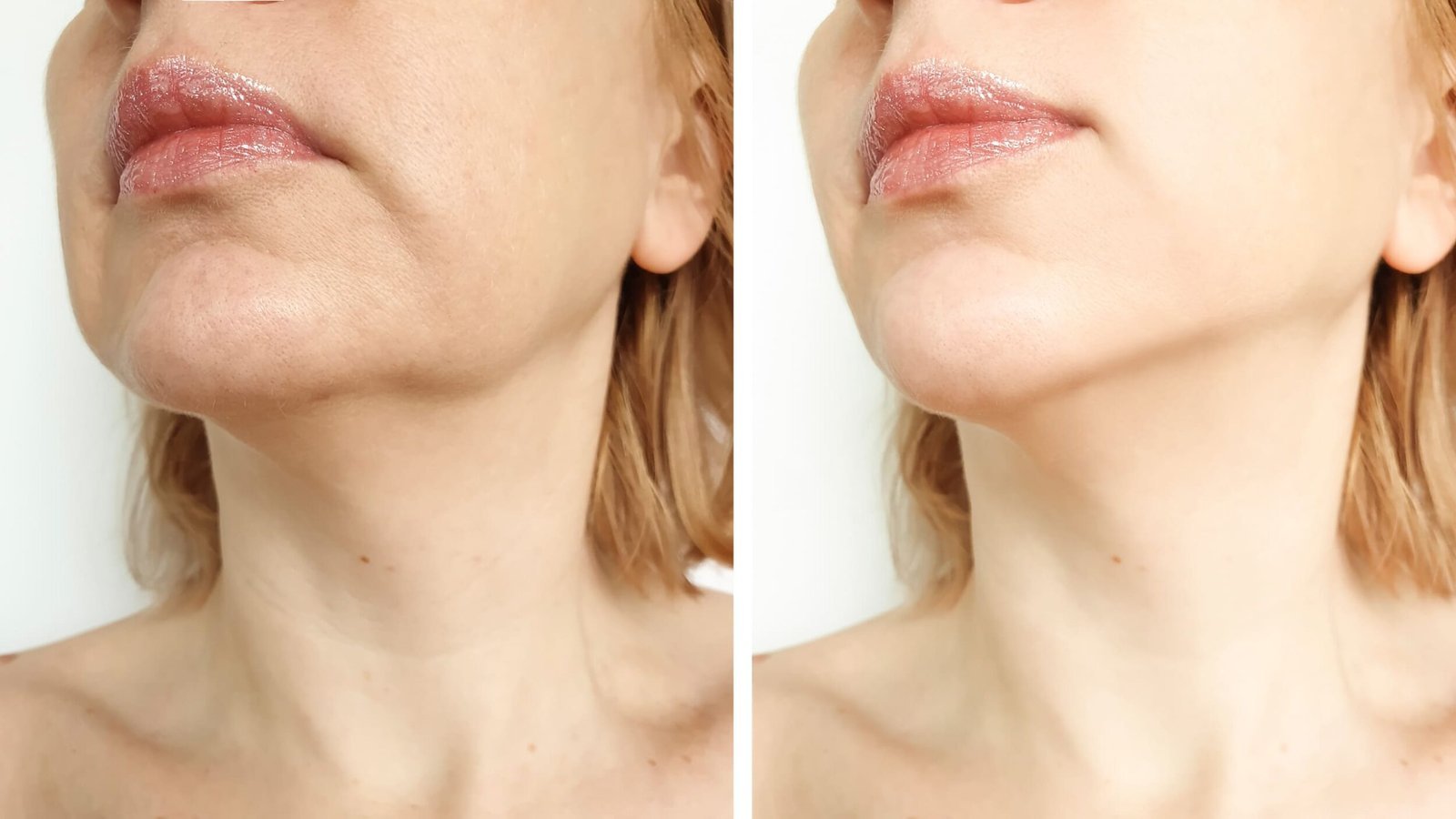
This dual-action approach—lifting the descended tissues while restoring lost volume—achieves a multi-dimensional restoration that synthetic fillers alone cannot replicate, providing a bespoke solution for permanent facial harmonization.
Neurovascular Preservation and Histological Maturation
The execution of a facelift requires an absolute mastery of the facial nerve (CN VII) architecture. By navigating through precise “safe planes” of dissection, surgeons preserve motor and sensory functions while achieving significant tissue mobilization. Postoperative recovery is managed through specialized compression therapy and advanced scar management protocols.
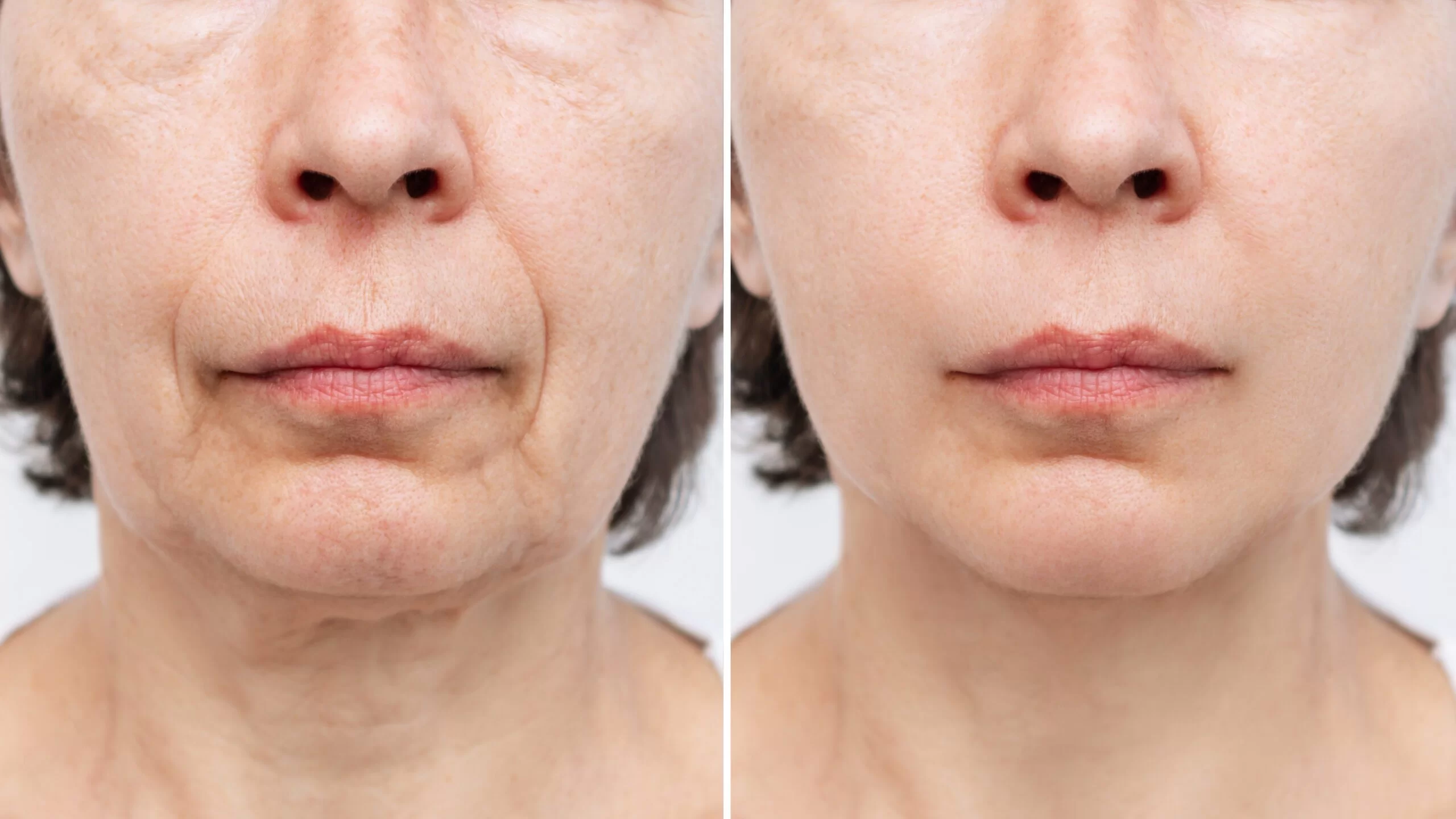
Continuous clinical monitoring ensures that the histological remodeling of the incision lines—usually hidden within the pre-auricular and post-auricular creases—results in a refined and discreet clinical appearance.