
Blepharoplasty: Clinical Management of Periorbital Aging and Structural Harmony The surgical rejuvenation of the ocular region, clinically identified as Blepharoplasty, represents a specialized intervention designed to address the complex morphological changes of the upper and lo
Blepharoplasty: Clinical Management of Periorbital Aging and Structural Harmony
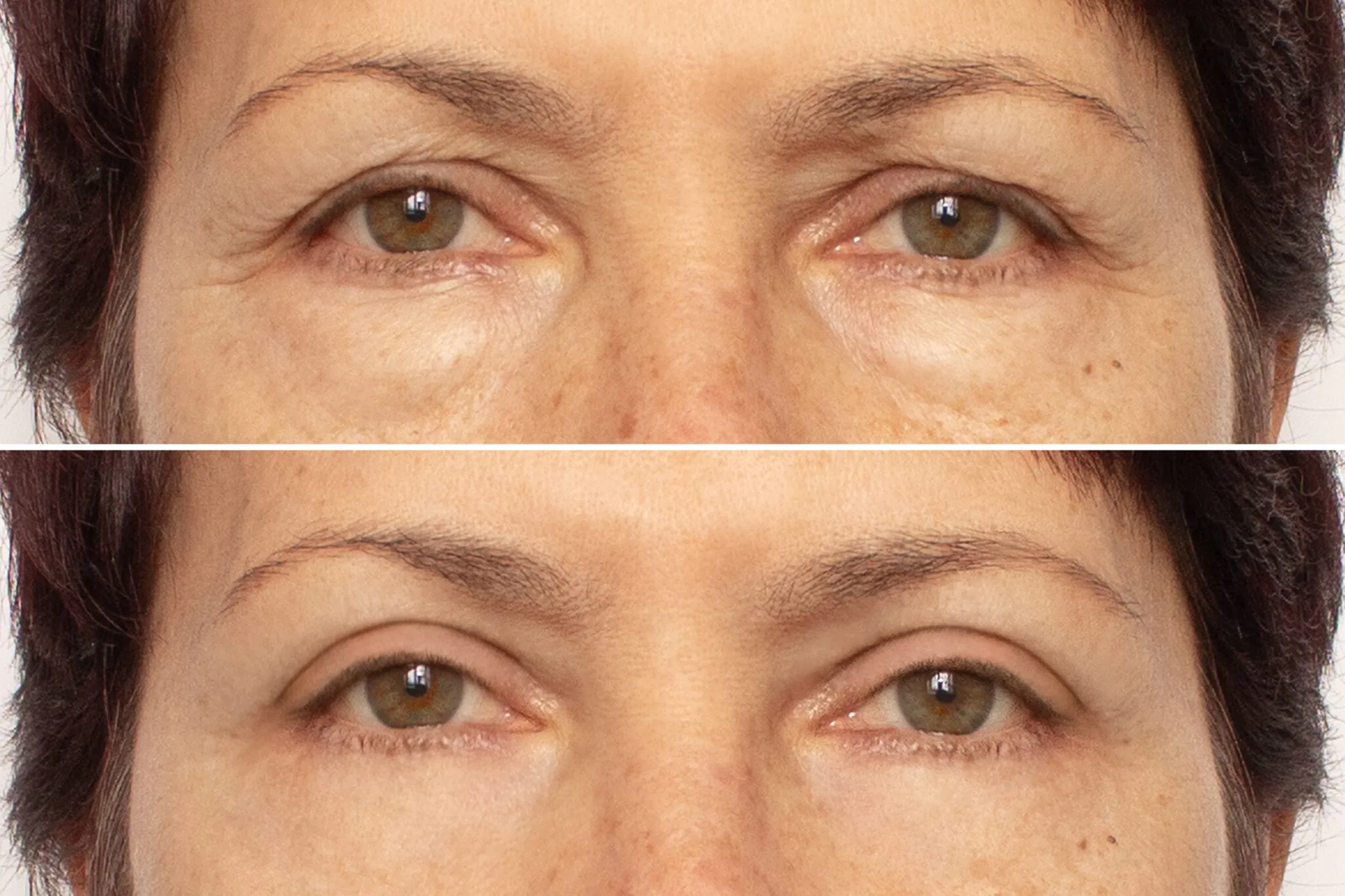
The surgical rejuvenation of the ocular region, clinically identified as Blepharoplasty, represents a specialized intervention designed to address the complex morphological changes of the upper and lower eyelids. These changes often manifest as skin laxity, muscle weakening, and the protrusion of intraorbital fat pads, resulting in a fatigued or aged clinical appearance. The primary objective is the systematic restoration of the periorbital unit by managing the relationship between the anterior and posterior lamellae. By meticulously tailoring the procedure to the patient’s unique skeletal support and soft tissue envelope, surgeons can achieve a significant improvement in both aesthetic projection and functional visual field.
Blepharoplasty procedures integrate advanced microsurgical precision with a profound understanding of periorbital anatomy and lamellar dynamics. By strategically resecting redundant dermatochalasis and repositioning prolapsed orbital fat, these interventions restore a refreshed thoracic gaze and refine the ocular silhouette. Each clinical strategy is meticulously tailored to maintain orbicularis oculi integrity and lacrimal function while achieving a resilient, symmetrical, and anatomically harmonious aesthetic transformation.
Upper Blepharoplasty: Dermatochalasis and Supra-Orbital Refinement
Upper eyelid surgery focuses on the precise excision of redundant integumentary tissue and, where necessary, the management of the underlying orbicularis oculi muscle. A critical component of the procedure is the preservation of the levator aponeurosis to ensure normal eyelid height and function. By repositioning or conservatively resecting the medial and central fat pads, surgeons eliminate the heavy, “hooded” appearance of the upper lid. The final incision is strategically placed within the natural supratarsal crease, ensuring that the resulting cicatrix is virtually invisible during normal ocular activity.
Lower Blepharoplasty: Septal Reset and Fat Transposition
The management of the lower eyelid is primarily focused on the transition between the eye and the cheek, often referred to as the lid-cheek junction. Unlike upper lid surgery, lower blepharoplasty frequently emphasizes “fat transposition” rather than simple excision. By releasing the arcus marginalis and repositioning the prolapsed orbital fat into the “tear trough” deformity, clinicians can eliminate dark circles and hollows. This “septal reset” ensures a smooth, convex transition from the lower lid to the malar region, restoring the youthful volumetric continuity of the mid-face.
Transconjunctival Approach and Muscle Preservation
For patients with significant fat protrusion but minimal skin redundancy, the Transconjunctival Blepharoplasty offers a scarless alternative. This technique involves an incision on the internal surface of the eyelid (the conjunctiva), allowing direct access to the orbital fat pads without compromising the integrity of the external skin or the orbicularis muscle. This approach is highly effective for younger patients or those with high skin elasticity, as it preserves the natural shape of the eye (the lateral canthal tilt) while addressing the structural “bags” beneath the eyes.
Lateral Canthal Support and Tarsal Stability
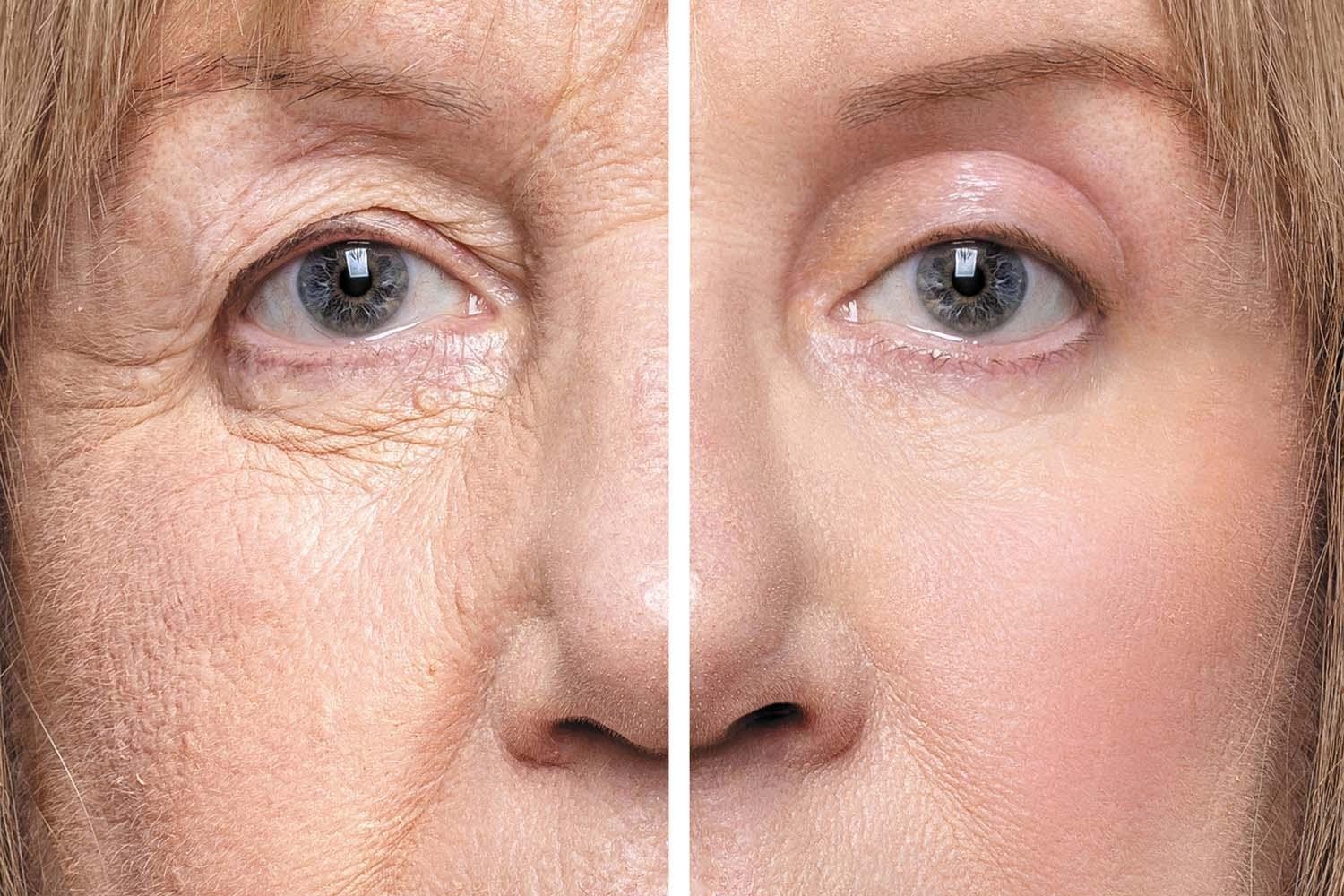
Clinical success in periorbital surgery often requires the reinforcement of the eyelid’s structural support system. Procedures such as Canthopexy or Canthoplasty may be integrated to stabilize the lateral canthal tendon and prevent postoperative ectropion (eyelid malposition). By ensuring the correct tension of the tarsal plate against the globe, surgeons maintain the functional health of the ocular surface while achieving a more “cat-eye” or anatomically lifted appearance. This focus on “vertical support” is essential for achieving enduring results in patients with tissue laxity.
Postoperative Recovery and Histological Maturation
The recovery phase following blepharoplasty is governed by the management of interstitial edema and the protection of the delicate periorbital vascularity. Utilizing advanced hemostatic techniques during surgery minimizes intraoperative trauma and accelerates the healing process.
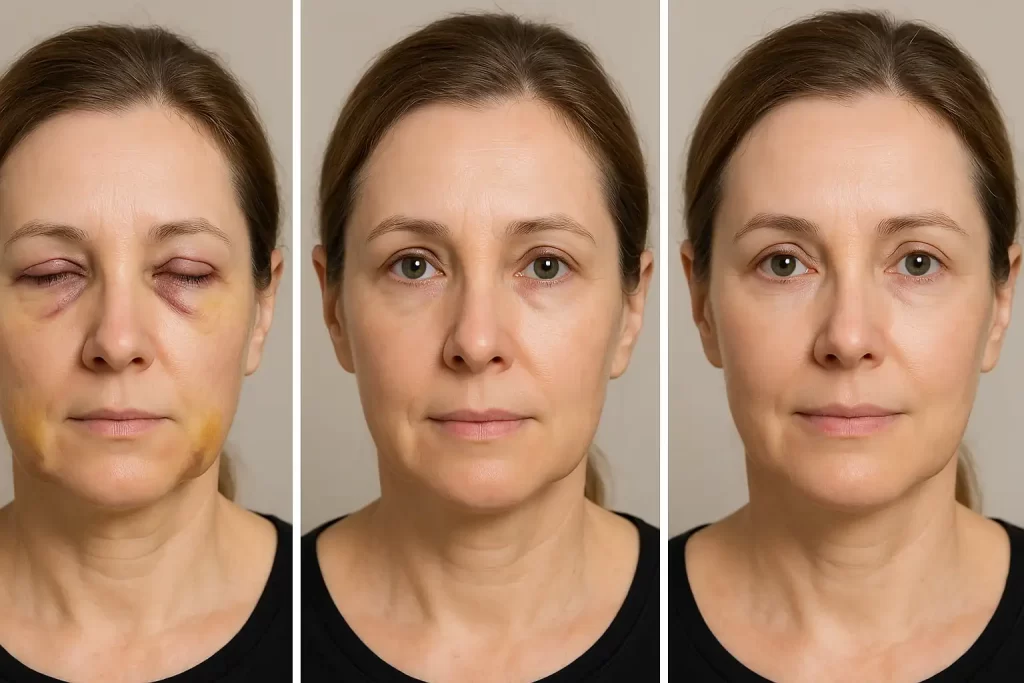
Patients are guided through a progressive protocol involving specialized cooling therapies and UV protection to ensure optimal scar maturation. Continuous clinical monitoring ensures that the histological remodeling results in a stable, refined, and youthful ocular profile, adhering to the principles of anatomical permanence and functional integrity.